Keep me updated!
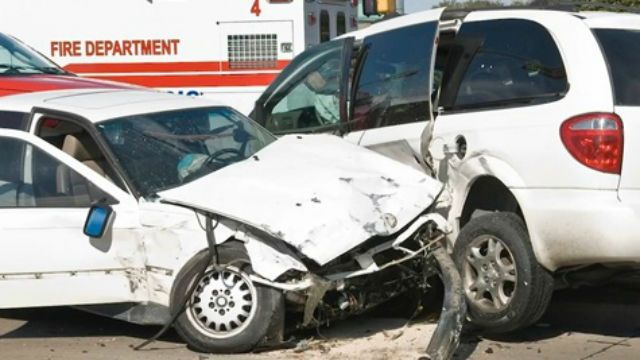
Most drivers wouldn’t admit they’re unsafe on the road — yet nearly all of us have done things behind the wheel that increase the risk of an accident. And since even a single crash can raise your insurance premiums 10% to 50%, it’s worth paying attention. Here are five common habits that put you and others in danger.
Looking at Your Phone
Let’s start with the most universal bad habit. Nearly everyone glances at their phone while driving — often without realizing how risky it is. Even a quick 1.5–2 second look means your car travels more than 190 feet without your eyes on the road. Multiply that by a dozen glances an hour, and you’ve effectively driven nearly half a mile blindfolded.
Driving requires full attention. Looking at your phone, even briefly, undermines that completely.
Drinking and Driving
Happy hour outings may be routine, but the danger is real. More than 30% of all traffic-related deaths are linked to alcohol-impaired driving, according to the CDC. No matter how “fine” you feel, drinking and driving is never worth the risk.
Keep me updated!
Driving While Tired
Fatigue doesn’t get the same attention as alcohol — but it should. Zoning out, forgetting parts of your trip or blinking longer than usual are all signs you’re too tired to drive safely. Research shows that sleep-deprived drivers can be just as dangerous as drivers under the influence. If you’re exhausted, don’t get behind the wheel.
Speeding Because the Car “Feels Smooth”
Modern vehicles are powerful and ride quietly, which can make it frighteningly easy to reach high speeds without noticing. But physics doesn’t care how smooth the ride feels. The faster you drive, the more severe the damage in a crash — and the less time your brain has to react. Speeding multiplies the danger of every other bad habit on this list.
Driving Aggressively
Aggressive driving goes beyond road rage. Tailgating, cutting other drivers off, honking excessively, yelling and rude gestures all escalate risk. The momentary satisfaction of “teaching someone a lesson” isn’t worth causing an accident. You never know what kind of day someone else is having — or how they might react.
We’ve all been guilty of at least one of these behaviors. Awareness is the first step toward change. Put your phone on Do Not Disturb, don’t drink and drive, sleep enough, keep your speed in check and stay calm behind the wheel.
A little mindfulness can save lives — and money. Drive safely.
Keep me updated!